Shakespeare was an English play-write and poet. He was born on April 23, 1564, and died on April 23, 1616. As a child, he attended grammar school begrudgingly. John Shakespeare and Mary Arden were the parents of William Shakespeare and his seven siblings. When he was 18, Shakespeare married Anne Hathaway due to an illegitimate pregnancy. They were happily married and had 3 kids, Susanna, Hamnet, and Judith. For the early years of their marriage, the Shakespeare family lived with William's parents, because he couldn't keep a steady job.
William traveled to London to start a career as an actor. He joined the Globe theater and became a successful actor. He regularly sent money back to Anne, for she never moved to the city. Although Shakespeare was an actor by trade, he wrote 39 plays. When the bubonic plague hit London, all the theaters were closed down, and William started writing sonnets. Poets were highly esteemed citizens, unlike controversial play-writes.
While Shakespeare's plays were considered propaganda at the time, they are now wildly popular. His tragedies, comedies, and histories have been performed countless times and adapted into many movies. Shakespeare is the second most quoted author, after the writers of the Bible. His scripts have morphed into sayings used today. The timeless themes of his plays have inspired many aspiring writers all over the world.
Thursday, May 10, 2012

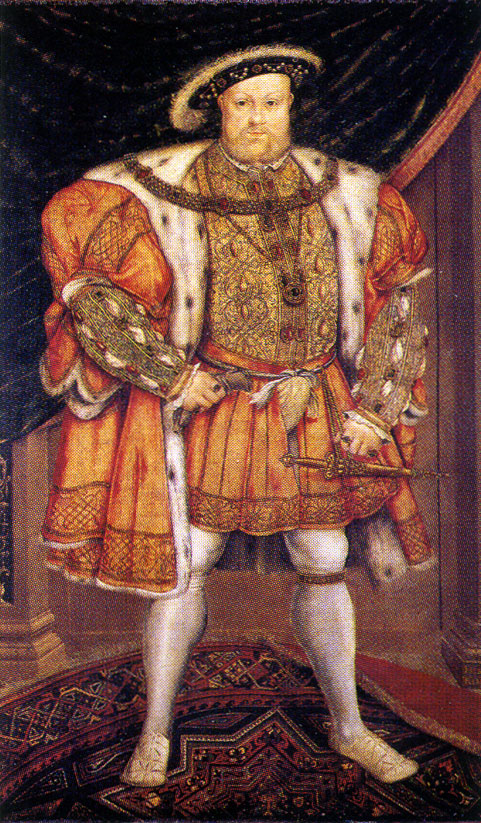
Reformation





Friday, May 4, 2012
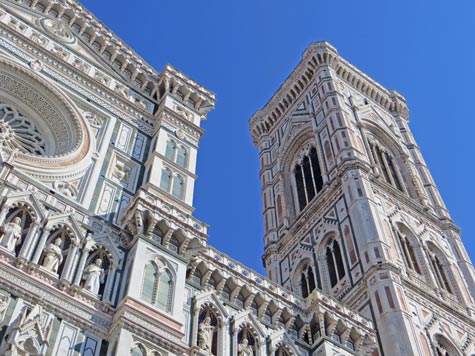
Brunelleschi's dome
It
started
the
Renaissan
ce in Florence and
sparked the Medici Le
gacy of patronage and spo
nsership of culture, a feat of
defying engineering accomplished
by an architect who looked to the
classical period for inspiration, build
ing orphanages with columns and ar
ches, Brunelleschi spurred the huma
nist revolution unkowingly as soon as
he built the dome at santa maria del
fiore,the dome of Florence
Wednesday, May 2, 2012
Sonnet
A sonnet is a 14 line poem with 10 syllables per line. They were invented during the Italian Renaissance, and Shakespeare wrote many of them.
Renaissance Italy
Exhausted with living in the darkness
Tired of just surviving, cultureless
The Renaissance, like a candle that's lit
Hoarding great wealth, city-states benefit
Artists with a cause smear paint on canvas
Rich patrons beautify their new cities
Tools chisel stone, weapons long abandoned
Under a blanket of discovery
Lies an ever present feud, dividing
Radical Humanists against the church
But life continues with mirth, ignoring
New ideas are formed, thinkers rejoicing
Paranoid geniuses keep plans hidden
The dark is forgotten in the clamor
Sunday, April 29, 2012
Florence Art Tour


Haikus
A new age that sprouts
From the ruins of dark ages
A revolution
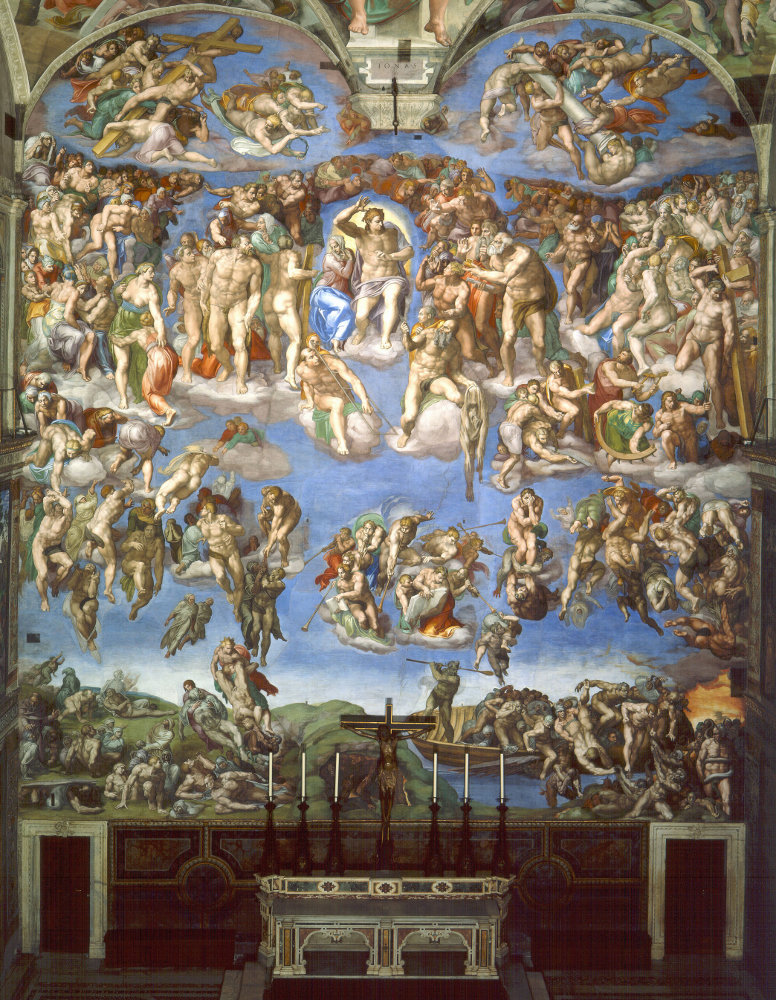
The Sistine Chapel
Michelangelo's great work
Sullenly painted
Medici family
Godfathers of Renaissance
Name brings resentment
Forced to deny truth
Or accept consequences
Catholic church rules
Florence, a city
of patronage and patrons
Beautiful
Wednesday, April 11, 2012
M10: Samurai School
As a flashed into Japan with my best friend Lola, I heard the clash of swords and whoosh of arrows. We had stepped into a war zone. Heads lay rolling in pools of blood. Samurais in heavy armor fought against other samurais. Scared, we rushed to a sheltered tree. One dynamic samurai approached us. "Become a samurai to fight for Japan's freedom" he said. Intrigued, we agreed. He led us to a nearby pagoda, were samurai meditated in zen gardens. When we entered, we were assigned to a master, a fit young man with straight hair. "If you want to become a samurai, you must become mentally prepared first. You must learn to accept pain and you must develop a sixth sense." he said. Reluctantly, we all took a journey up a tall mountain. At the top, snow dusted the ground and we started shivering. We were directed to remove our shoes. Then we started to pick our way down the path.
At the end of the 5 hour hike, my feet were numb. I couldn't feel anything. Blood ran in rivets from the cuts on our soles, and gravel stuck to our toes. The sight of my mangled body should have terrified me, but I felt nothing. "Congratulations." our master said. "You have stopped feeling. You will now learn to have a sixth sense." As we stood still, he took out a thin bamboo rod and whacked us with it, leaving red welts on our faces. "What the.." Lola said as he delivered another blow. The hits came again and again, until we learned to dodge them. After we avoided the rod 20 consecutive times, he set it down. "You now will be able to sense danger." he said. "Your mental training is complete."
We had lessons in fencing and archery, and were deemed ready to fight. We were wrapped in multiple silk kimonos and covered in a thin armor made of metal plates. Leather shin guards were attached to our legs, and we walked to the battle field. I knew that I should have been nervous or excited, but I just felt numb. The fight had already started, so we picked an available opponent and advanced. With long, curved swords, we beat our foe to the ground. I dodged every blow and parried with vengeance. Our feet barely touching the ground, we struck down everyone in sight.
After a few minutes, Lola and I split up to fight individually. My competitor was hard to beat, and I started panting. He blocked all my moves and advanced with quick hits. I kicked him and he became unbalanced. Taking advantage of the moment, I swung my sword through the air in a slow motion arc. Without thinking, I had aimed my sword at the bare curve of his neck. As blood escaped his throat, I realized what I had done. I felt my weapon slice through a last piece of cartilage, and his head fell into my lap. A strangled scream escaped me, and horror filled my veins. Suddenly, the emotion I had numbed myself too came back.
I pushed the bloody carnage off of me. Lola backed away in disgust. Scared at what I had become, I ran away from the battle. I jumped in a nearby stream and ribbons of red washed off my clothes. I was against all types of killing. I didn't eat meat and avoided blood at all costs. I marveled at the emotionless killing machine I had become. The man I killed probably had a family at home, a wife waiting in terror when he didn't return. I walked back to Lola and pulled her away from the continuing war. Although my friend was amazed at my behavior, she still followed me as we flashed back to 2012. I told her about how mental training had made me a zombie and how I now understood that it was good to feel emotion. Emotions are the only things stopping people from killing without mercy. She forgave me, and admitted that she had stabbed a guy in the leg. "Just like Cato stabbing Peeta" she laughed. We both vowed never to fight without reason again.
At the end of the 5 hour hike, my feet were numb. I couldn't feel anything. Blood ran in rivets from the cuts on our soles, and gravel stuck to our toes. The sight of my mangled body should have terrified me, but I felt nothing. "Congratulations." our master said. "You have stopped feeling. You will now learn to have a sixth sense." As we stood still, he took out a thin bamboo rod and whacked us with it, leaving red welts on our faces. "What the.." Lola said as he delivered another blow. The hits came again and again, until we learned to dodge them. After we avoided the rod 20 consecutive times, he set it down. "You now will be able to sense danger." he said. "Your mental training is complete."
We had lessons in fencing and archery, and were deemed ready to fight. We were wrapped in multiple silk kimonos and covered in a thin armor made of metal plates. Leather shin guards were attached to our legs, and we walked to the battle field. I knew that I should have been nervous or excited, but I just felt numb. The fight had already started, so we picked an available opponent and advanced. With long, curved swords, we beat our foe to the ground. I dodged every blow and parried with vengeance. Our feet barely touching the ground, we struck down everyone in sight.
After a few minutes, Lola and I split up to fight individually. My competitor was hard to beat, and I started panting. He blocked all my moves and advanced with quick hits. I kicked him and he became unbalanced. Taking advantage of the moment, I swung my sword through the air in a slow motion arc. Without thinking, I had aimed my sword at the bare curve of his neck. As blood escaped his throat, I realized what I had done. I felt my weapon slice through a last piece of cartilage, and his head fell into my lap. A strangled scream escaped me, and horror filled my veins. Suddenly, the emotion I had numbed myself too came back.
I pushed the bloody carnage off of me. Lola backed away in disgust. Scared at what I had become, I ran away from the battle. I jumped in a nearby stream and ribbons of red washed off my clothes. I was against all types of killing. I didn't eat meat and avoided blood at all costs. I marveled at the emotionless killing machine I had become. The man I killed probably had a family at home, a wife waiting in terror when he didn't return. I walked back to Lola and pulled her away from the continuing war. Although my friend was amazed at my behavior, she still followed me as we flashed back to 2012. I told her about how mental training had made me a zombie and how I now understood that it was good to feel emotion. Emotions are the only things stopping people from killing without mercy. She forgave me, and admitted that she had stabbed a guy in the leg. "Just like Cato stabbing Peeta" she laughed. We both vowed never to fight without reason again.
Subscribe to:
Posts (Atom)